Every piece is a tessera. Together, a whole.
Galleries and antique dealers across Spain. What links them is not the goods —they do not sell the same things, nor do the same people look for them— but the standard: identified professional, documented piece and verifiable provenance.
Art and antiques with documented provenance
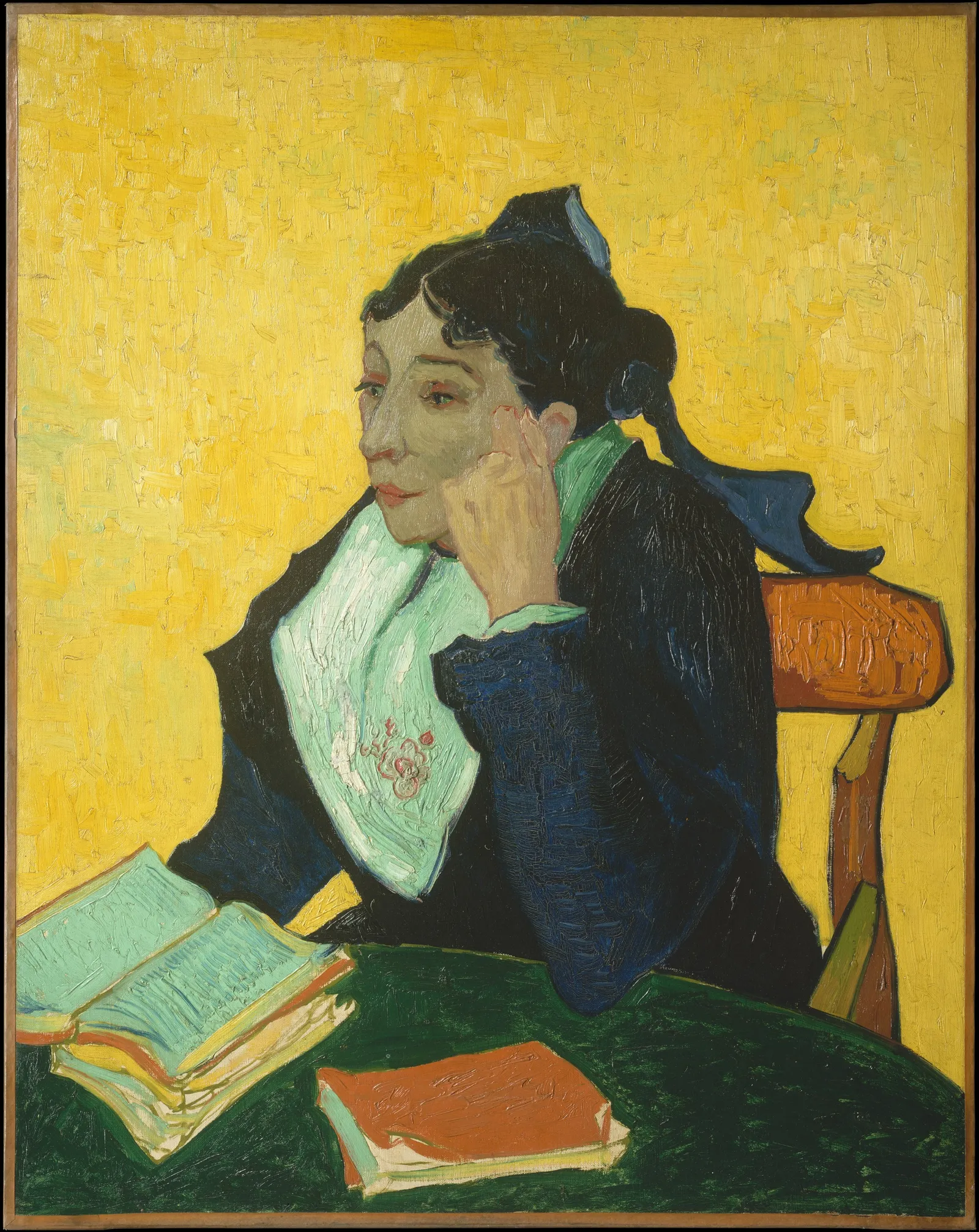
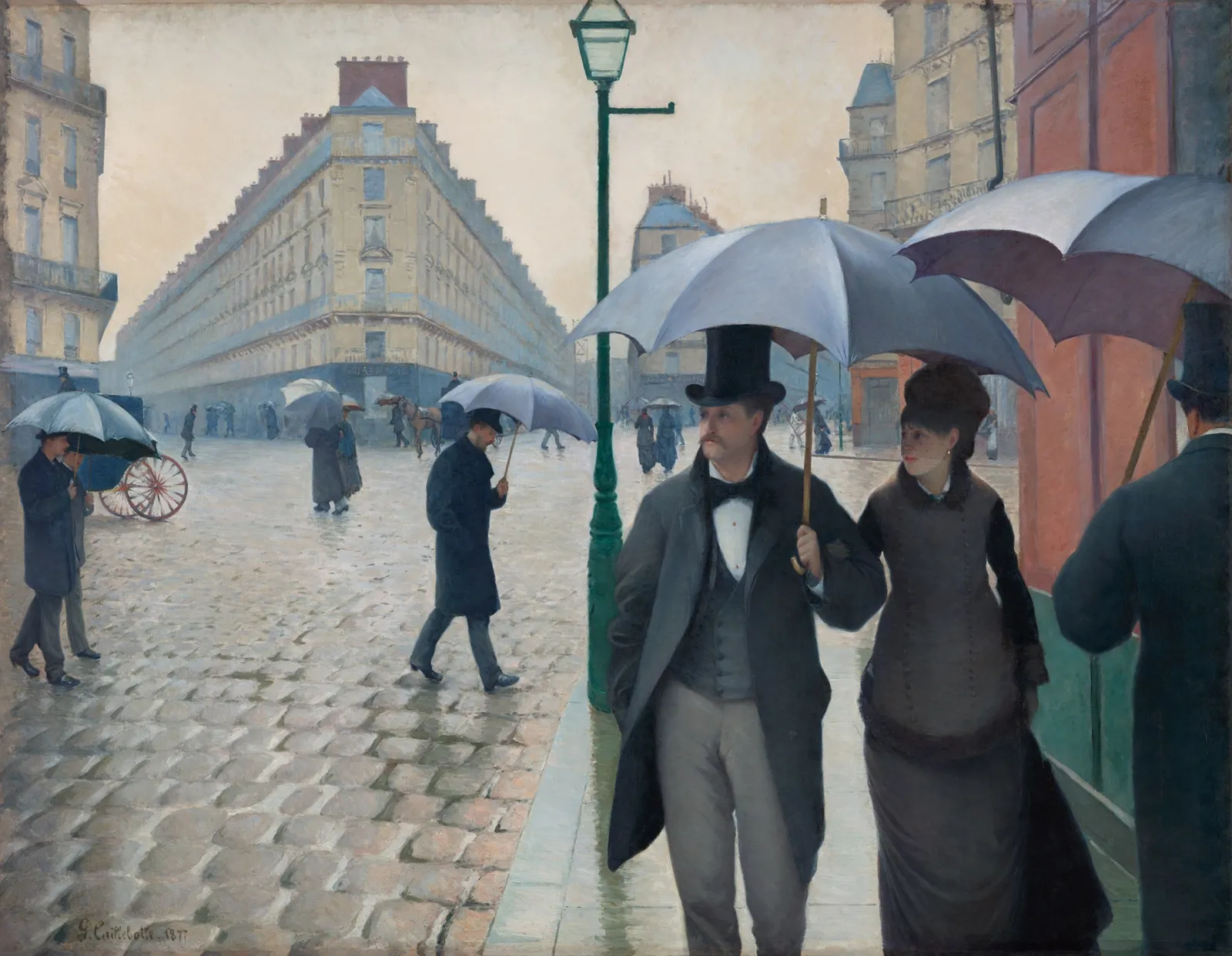
Avant-garde, contemporary and works on paper. Old masters too.
Enter the gallery →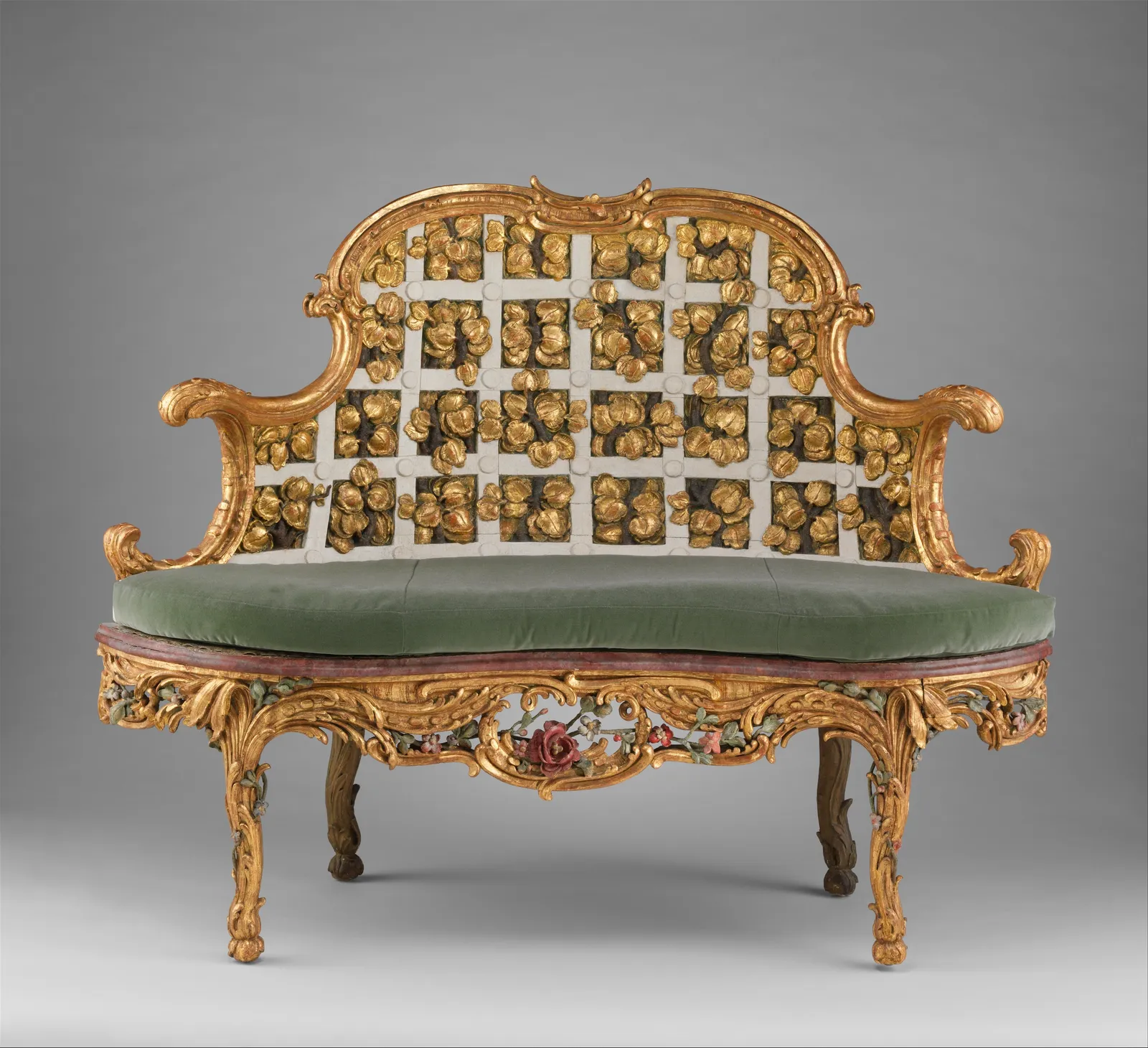
Furniture, clocks, silver and ceramics with verifiable provenance.
Enter the cabinet →Two trades, one standard
L’art i l’antiguitat es venen a Espanya en dos mons que gairebé no es parlen. En un hi ha galeries: representen artistes, munten exposicions i venen obra. En l’altre, antiquaris: compren objecte, l’estudien i el tornen a vendre. Un directori que els barreja no ajuda ningú, perquè qui busca una cosa no busca l’altra.
Here they are kept apart, each with its own section, vocabulary and text. What they share is the standard: every listing is checked one by one and records where its information came from, no text or photographs are copied from anyone else’s website, and the order they appear in is not for sale. It is written and dated in the pact.
The second thing you will find are the buying guides: what separates a good piece from an ordinary one, what documentation you can ask the seller for, and what price bracket it moves in. They are written to be read with the piece in front of you, not to illustrate.
You cannot buy here yet —the marketplace opens in 2027—, so in the meantime this serves what it serves for: arriving knowing what to ask the house that will sell you the piece.
Old master paintings
Oil, tempera and panel from before the twentieth century: altarpiece, portrait and landscape.Galleries02Antique clocks and watches
Wall, longcase, table and pocket. Movements that are still expected to keep time.Antique dealers03Antique jewellery
Period rings, brooches and cameos, in gold, silver and hand-worked stones.Galleries and antique dealers04Antique sculpture
Busts and relief in bronze, marble, terracotta and polychrome wood.Galleries05Prints and drawings
Engraving, lithograph, drawing and watercolour: works on paper, almost always in edition.Galleries06Antique furniture
Chests of drawers, coffers, tables and cabinets in solid wood, from before the production line.Antique dealers07Modern and contemporary art
Painting, sculpture and works on paper from the twentieth century and today: from the historical avant-garde to the living artist.Galleries08Ceramics and porcelain
European earthenware and porcelain, from Meissen and Sèvres to Manises, Talavera and Sargadelos.Antique dealers09Silver and metalware
Hallmarked silver, goldsmiths’ work, ormolu, copper and brass, for the table and for the altar.Antique dealersAntique, vintage or retro
The three words are used as synonyms and they are not. Which one is chosen changes the price, what you can demand of the seller and the export paperwork.
Dating furniture by its marks of manufacture
Dovetails, saw marks, screws and nails: the traces a tool leaves behind, and how they let you place a piece in its period without being an expert.
How to clean antique furniture without ruining it
What you can do at home, what is never touched, and how to tell dirt from patina. The line between cleaning and ruining, before it is too late.
-
Four fairs in nine weeks, and only one vets what is sold
Estampa, Swab, Loop and Feriarte pack the Spanish art autumn into nine weeks. What you buy at each, what each guarantees, and what to ask at the stand.
-
Buying from the artist pays 10; from a gallery, 21
Spain is the only EU country that has not cut VAT on art. What the directive says, why Brussels has taken Spain to court, and who the tax really penalises.
-
Sixteen years do not launder a stolen piece
A 16th-century relief left a Navarrese monastery in 2010 and resurfaced at a Barcelona auction house. What happens to the man who bought it in good faith.
Want to know what we are building?
Teselara is today a directory of Spanish galleries and antique dealers with buying guides, and in 2027 the marketplace opens. If that interests you —to buy, to sell, or because you work in the trade— tell us and we will explain where it is going.
- We write when there is something to show, not before
- We reply within two or three working days
- Unsubscribing is replying to the email
Frequently asked
- Can I buy here?
- Not yet. Teselara is today a directory of galleries and antique dealers and a collection of buying guides. The marketplace opens in 2027, and until then what is here serves to get you to the house that will sell you the piece better prepared.
- What is the difference between a gallery and an antique dealer?
- What they sell and how. A gallery works with art and, in the primary market, does not buy it: it represents the artist and takes a commission. An antique dealer buys objects and resells them, and their craft is the find and knowing what they have. They are two different businesses, with different documentation, which is why they have separate sections here.
- How does a business get into the directory?
- We add it ourselves from public sources, and every listing records the address its information came from so it can be checked. We copy no text and no photographs from anyone else’s website. If you are the owner, you can claim the listing, correct it or ask us to take it down.
- Can anyone pay to appear, or to appear higher?
- No. The order is not for sale: it is the first rule of the pact, published and dated. No house in this directory has paid to be here, and none can pay to move ahead of another.
- Why do you insist so much on provenance?
- Because it answers at once the two questions that decide a purchase: whether the piece is what they say it is, and whether whoever is selling it is entitled to. Almost no chain of owners is complete, and that is normal; what marks out a serious house is that it declares the gaps instead of covering them up.
- I have a piece and want to sell it. What do I do?
- We do not buy or broker today. The selling page sets out what routes exist, what documentation is worth gathering before you show anything, and what questions to ask so you do not accept the first figure you are given.