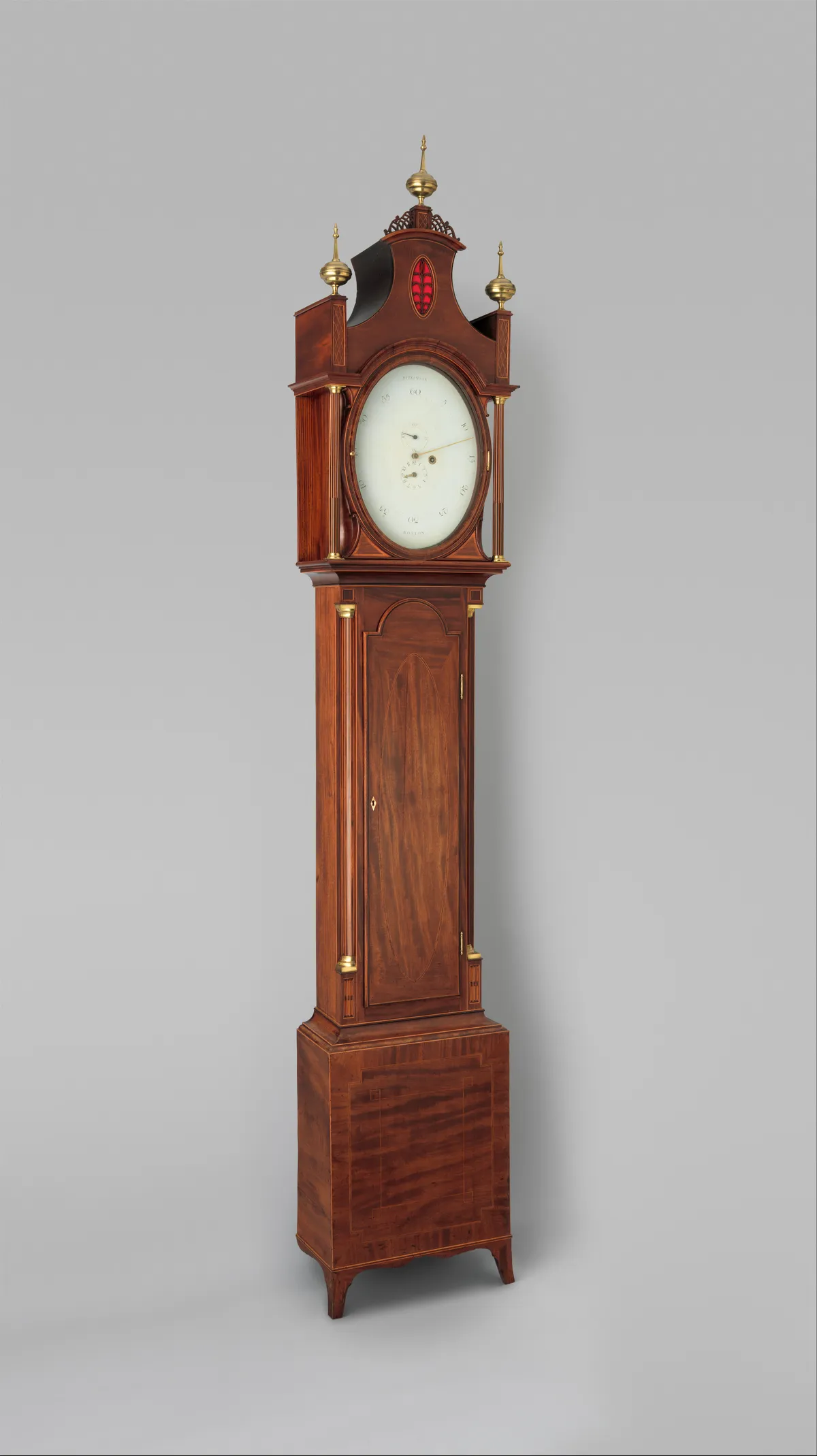
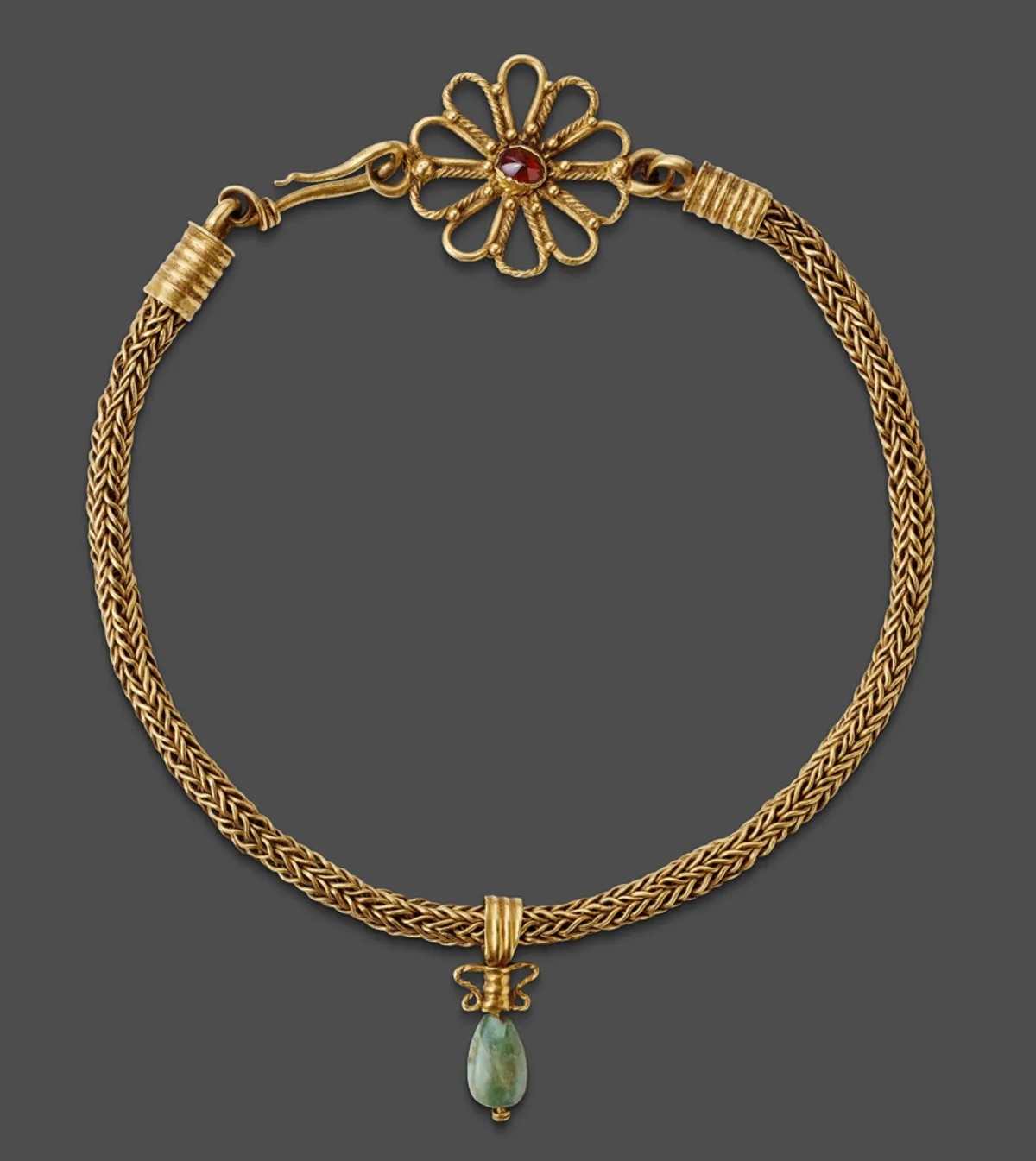
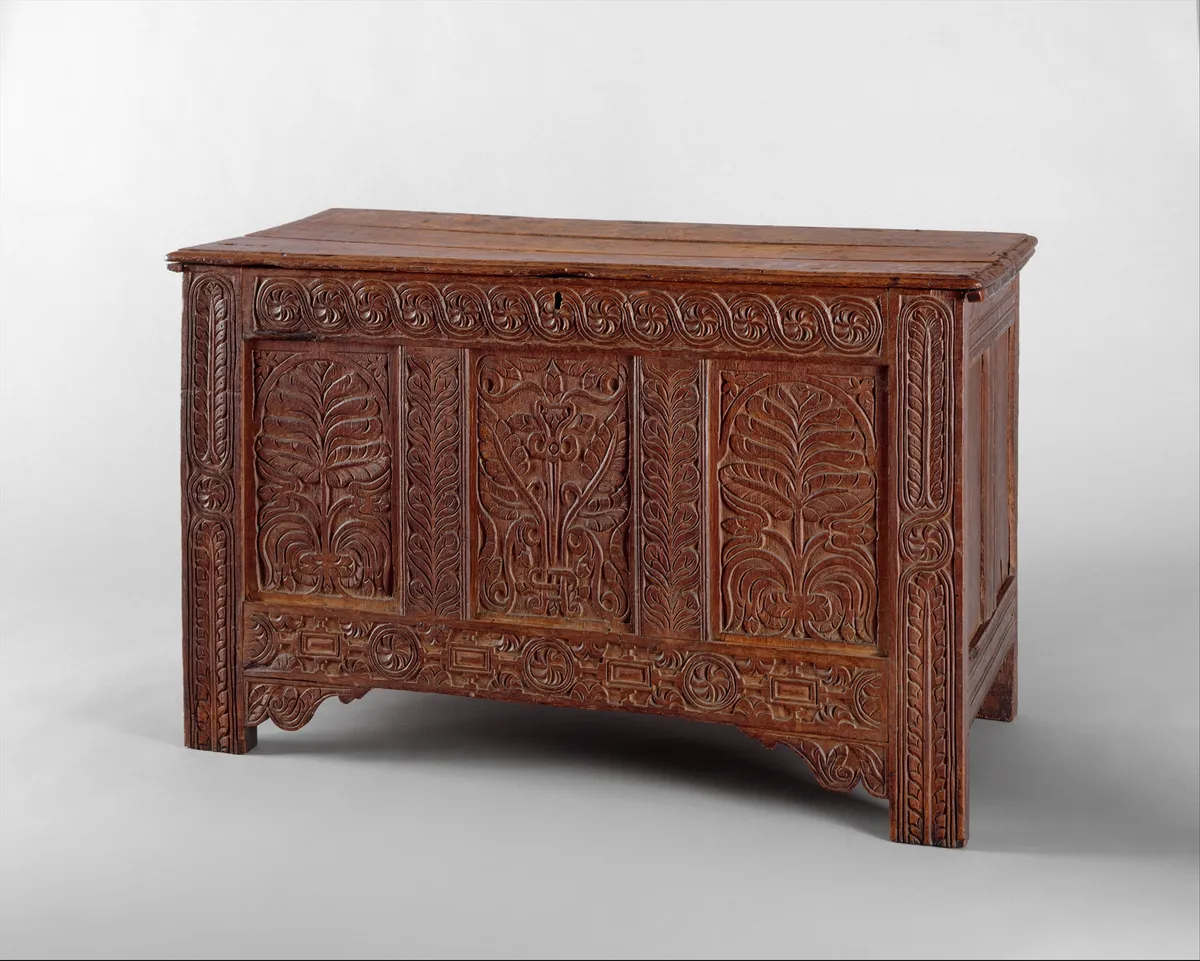
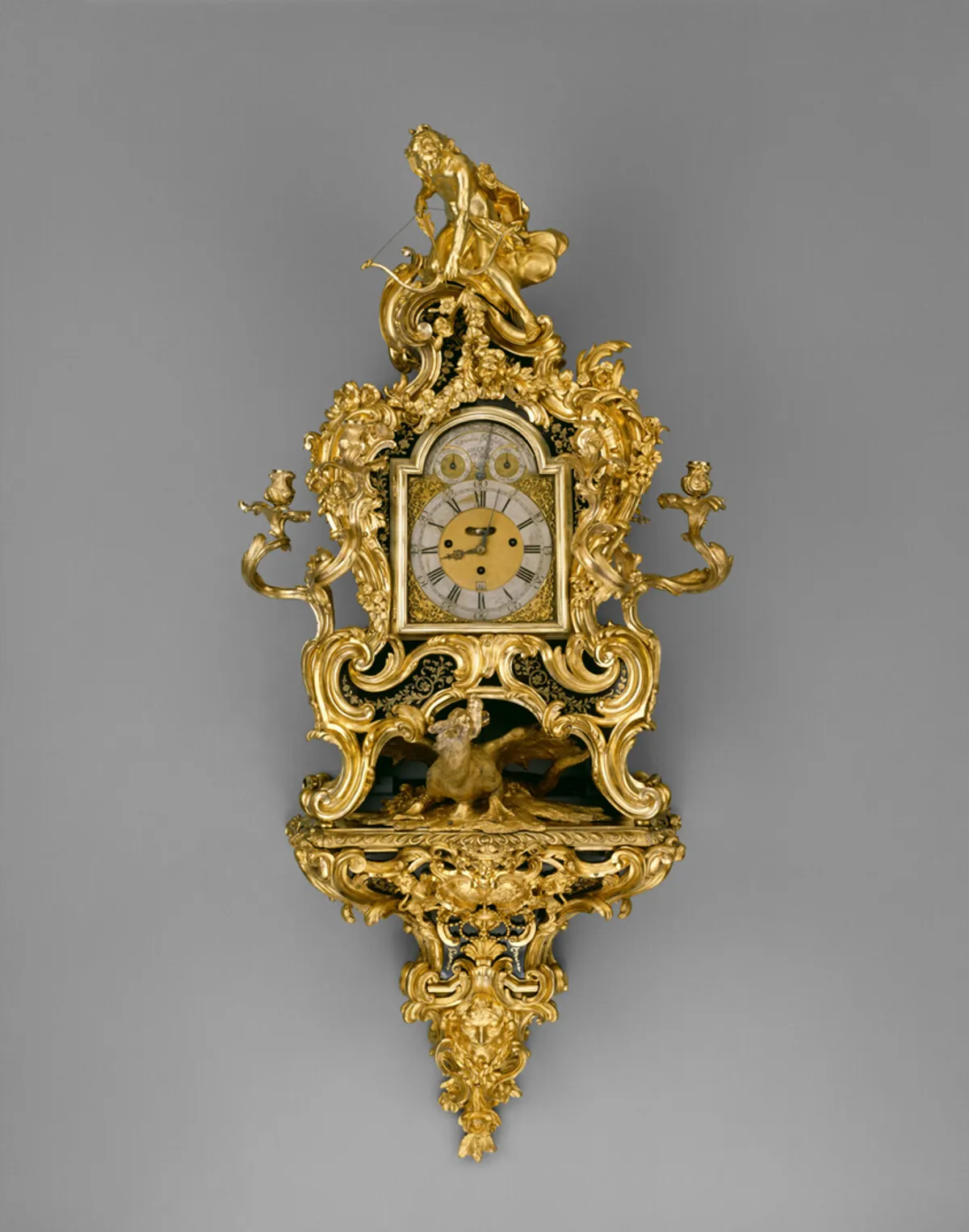
An antique dealer buys old pieces, studies them, often restores them and sells them on. Put like that it sounds like half a dozen other trades that are not the same thing, and that confusion is why people overpay in one place and sell for nothing in another.
What an antique dealer is, and what it is not
What defines the trade is not owning old things: it is knowing what you own. An antique dealer can tell you which century a chest of drawers is from, why, what has been replaced on it and what it is worth today. That capability is what you are paying for, and it is exactly what you will not find in the places it gets confused with.
- House clearance is logistics. The whole contents go for a closed price with no distinction made; there may be a good piece in there, but nobody looked for it and nobody will document it.
- Flea markets and brocante belong to a different trade: fast turnover, low prices and no guarantees. They are excellent at what they are. It is not what is in this directory.
- An auction house does not sell: it awards. It does not set the price, it discovers it, and it charges commission to both sides.
How the price of an antique is formed
There is no price list. There are four factors, and knowing them turns a blind negotiation into a conversation.
- What it is and what condition it is in. Period, quality of execution, rarity of the model and, above all, condition. Two chests from the same workshop separated by one aggressive restoration are not worth remotely the same.
- Originality. Hardware, handles, marble tops, upholstery and veneer: the more of the first is left, the more it is worth. Half the price is won or lost here, and it is set out piece by piece in the antique furniture guide.
- Provenance. Where it comes from and with what paperwork. It answers the question of authenticity and the question of good title at the same time.
- Current demand. Taste moves and drags the price with it. Dark Spanish furniture and Nordic furniture of the fifties have swapped places in twenty years without either changing in quality.
What you can demand
- A descriptive invoice. With period, materials and the interventions the piece has had. «Antique chest of drawers» is not a description; «Catalan walnut chest, circa 1780, with replaced handles» is.
- Transport and installation. Who carries the risk while the piece travels, which is when things actually get broken.
And what they will ask of you
If you are selling, the conversation reverses. They will ask for photographs in good light and from every side —including the back and the edges, which is where a piece is read—, measurements, and whatever you know of its history: whose it was, how long it has been in the house, whether it has ever been restored. The fuller that arrives, the better the offer, and not out of courtesy: every missing fact is discounted as risk. If what you have is a whole inheritance, start on this page.
How to recognise a house that knows its trade
An open shop with opening hours, not just a phone number. A declared speciality: nobody is an expert in silver, clocks, furniture and porcelain at once, and whoever claims to be is an expert in none. They show you the flaws in a piece before you ask. They put in writing what they tell you out loud. And they say no when something is outside their speciality.
The houses in this directory have been checked one by one, and every listing says where its information came from. What we do not do, and why, is in the pact.